Potholes
Water collects in low areas, traffic loosens the surrounding material, and the depression gets deeper. Filling the hole alone may leave the cause untreated.
Restore your gravel driveway to like-new condition in as little as one day. 90% of restorations require no new gravel.
We'll contact you to schedule a walk-through.
Your information is protected by our Privacy Policy.
Potholes, ruts, washouts and standing water don’t always mean your driveway needs another load of gravel. In many cases, usable stone is still there—it has migrated toward the edges or low spots, compacted unevenly, or lost the shape needed to shed water.
Coob’s Landscaping repairs and restores gravel driveways by reworking existing material, correcting the grade and crown, and compacting the surface. We start by inspecting the driveway and looking at the cause of the damage, so the work addresses more than its appearance.
When there’s enough usable aggregate, recovering and redistributing it can avoid the cost of unnecessary new material. Our existing restoration approach means approximately 90% of restorations require no new gravel.
When stone has washed away or the base needs attention, we recommend additional material where it’s needed. That may include ABC crusher run, #57 stone or another aggregate appropriate for the application. The right solution depends on the driveway’s slope, drainage, traffic and existing base.
Potholes, ruts or washouts on your driveway?
The surface damage helps us identify what needs attention.
Water collects in low areas, traffic loosens the surrounding material, and the depression gets deeper. Filling the hole alone may leave the cause untreated.
Wheel paths can form where the surface is soft, poorly compacted or inadequately supported. We assess the surface and base before choosing a repair.
Concentrated stormwater carries stone downhill or off the driveway. Restoring the surface often means improving how water reaches and leaves it.
Repeated ridges develop in loose surface material under vehicle traffic. Reworking and reshaping the aggregate can restore a smoother drive.
Puddles often point to low spots or drainage issues. The driveway needs a surface profile that directs runoff to suitable outlets.
Stone can migrate into the shoulders and low areas. We check what can be recovered before recommending another load.
Not every damaged driveway needs the same solution.
A proper repair starts with understanding why the driveway deteriorated.
We look at remaining gravel, potholes, rutting, slope, crown, base conditions, drainage ditches and culverts.
We identify where water is crossing, pooling or running down the driveway, and recommend corrections where needed.
Where practical, we loosen and redistribute usable stone to rebuild the surface profile instead of covering it with new material.
If material has been lost or the base is inadequate, we select suitable aggregate and address the areas that need support.
We establish a profile suited to the site and compact the material to create a stable finished driving surface.
A smooth driveway can deteriorate quickly when runoff has nowhere suitable to go. Grading and drainage are as important as the stone on top.
Triangle properties often have dense Piedmont clay soils, which can drain slowly. Persistent moisture can soften the subgrade, while concentrated runoff can carry aggregate away. We assess these conditions alongside the surface damage.
If the issue extends beyond the driveway, our drainage and erosion control services can help address the wider runoff problem. Related grading and excavation work may also be appropriate.
For a deeper look at drainage, gravel types and repair options, read our homeowner’s guide to gravel driveway repair.
We look for the reason the potholes formed, so the repair can address the underlying problem.
Often, you don’t. A worn surface can hide a useful supply of stone along its shoulders, in low areas or beneath uneven wheel paths. Recovering suitable material may be enough to restore the driveway’s shape.
Spreading more gravel can improve the appearance temporarily, but it won’t automatically fix poor grading, drainage or a weak base. We inspect those conditions before recommending new material.
Approximately 90% of our restorations require no new gravel. Your estimate will explain whether your driveway can be restored with its existing stone.
Additional aggregate may be needed where stone has washed away, the existing layer is too thin, or base repairs are necessary.
ABC crusher run contains a mix of stone sizes and fines that can compact into a dense layer. #57 stone is an open-graded aggregate with different drainage and surface characteristics. They serve different purposes; we choose material based on the repair rather than treating them as interchangeable.
Locally owned since 2012, Coob’s combines driveway restoration with grading and drainage experience. We evaluate everything from shorter residential drives to long rural driveways and recommend work suited to the property.
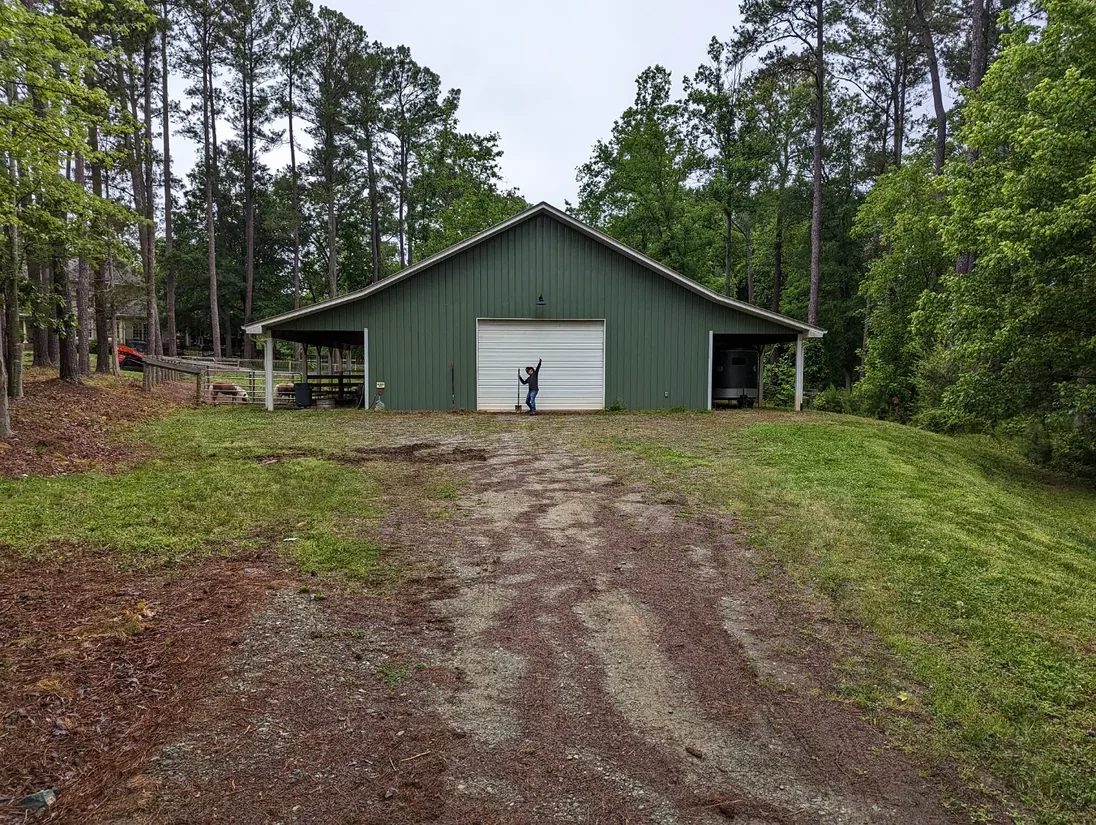
Before
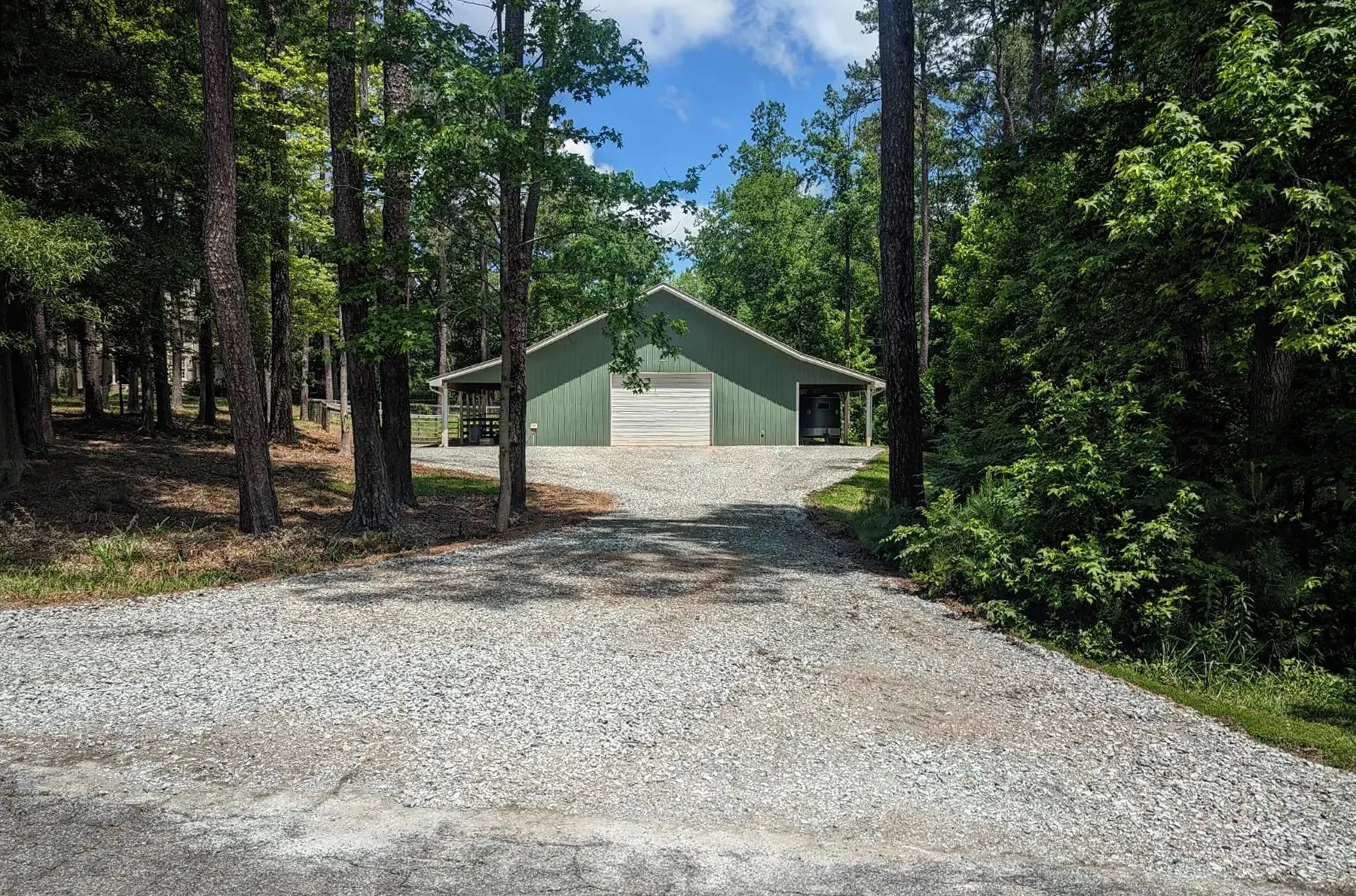
After
Get a free driveway assessment from Corby. We’ll inspect the surface, drainage and existing stone to recommend a practical repair.
A lasting repair generally involves loosening surrounding material, filling the depression with suitable aggregate, reshaping and compacting the surface. We also check why water collects there; simply topping up a hole may leave the cause in place.
Yes, when there’s enough usable stone on site. It may need to be recovered, redistributed, graded and compacted. Approximately 90% of Coob’s restorations require no new gravel, but we inspect your driveway before recommending that approach.
Regrading reshapes existing material. Resurfacing generally adds a new layer of aggregate after grading and any necessary base work. The condition and quantity of the existing stone determine which approach is appropriate.
Recurring washouts often indicate concentrated runoff, unsuitable surface slopes, blocked ditches or culvert problems. A repair needs to consider where water enters the driveway and how it can leave without carrying stone away.
There’s no single schedule. Traffic, slope, aggregate, drainage and weather all affect maintenance needs. If you see persistent puddles, growing potholes or deepening ruts, it’s worth having the driveway assessed.
The best material depends on the base and repair. ABC crusher run is commonly used for compactable layers; #57 stone has different drainage characteristics. We evaluate the existing driveway and intended use before recommending aggregate.
Yes. Surface problems may be corrected by loosening the aggregate, redistributing it, reshaping the driveway and compacting it. Where rutting comes from a soft or inadequate base, additional work may be needed.
The estimate depends on driveway length and width, access, damage, remaining aggregate, and drainage or base repairs. Coob’s provides a free estimate after reviewing the property; we don’t publish a single price that assumes every driveway needs the same work.
Many residential restorations can be completed in as little as one day. Long drives, difficult access, significant drainage work or base repairs can take longer. We’ll discuss the likely scope and timing during your assessment.
Yes. Coob’s works on shorter residential drives and long gravel driveways throughout Chapel Hill, Pittsboro and the surrounding Triangle. We inspect the slope, drainage and material along the driveway before recommending a repair.
Coob’s Landscaping provides gravel driveway repair, restoration and regrading in Chapel Hill and surrounding communities.
You may not need a new driveway—or even new gravel. Let us assess the existing material, identify what’s causing the damage and explain a practical way to restore it.
We'll call you to schedule an inspection
Your information is protected by our Privacy Policy.